
Guide
Ghillie Island Guide: Reading the Map That Started It All
The original map region by region: town fights, open farmland, coastal edges, and how the circle changes the island's personality.
CONTENTS On this page
Every battle royale map teaches a language, and Ghillie Island's is the one a generation learned first. This guide reads the island the way our reviewer re-learned it for ROS Legacy: by terrain, not by loot tables.
The towns
Towns are the island's classrooms: dense buildings, rooftop sightlines, and house-to-house fights where sound matters more than aim. Learn one town properly, its roofs, its alleys, its escape routes, before you scatter your landings across all of them. A town you know beats a map you have visited.
The farmland
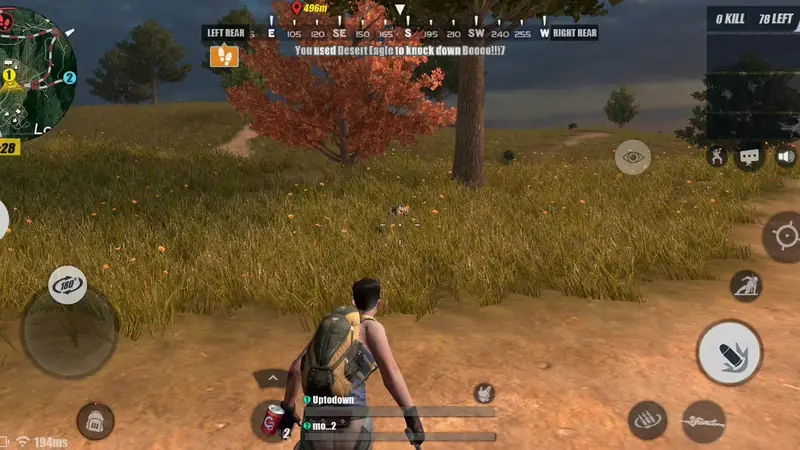
The open centre is the island's truth serum. Long grass hides the prone and punishes the upright, vehicles are both lifeline and announcement, and every crossing is a decision. Move between cover like the field is watched, because in the late game it is.
The coast
Coastal edges trade loot for safety: fewer neighbours, cleaner rotations, and the sea guarding one of your flanks. When the circle pulls inland late, coast players arrive with the hardest walk and the freshest armour, which is the island's favourite bargain. Learn the island's language and ROS Legacy never feels random again.
Keep driving
Quick Answers
Is Ghillie Island exactly the original map?
It is the original first map, included and ready to play, with its towns, fields and coast intact.
Where do final circles usually land?
Anywhere the circle decides; farmland and town edges host the most memorable ones.
Towns or countryside for beginners?
Small towns first. Buildings teach cover and sound; fields teach humility.